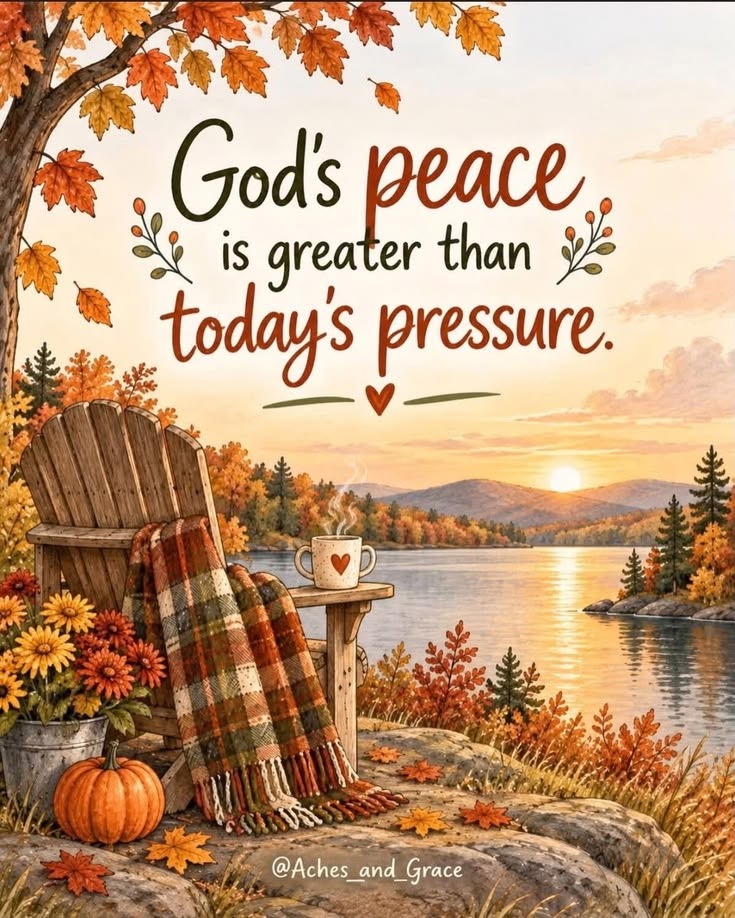
It’s easy to get caught up in the fast pace of daily life—the endless to-do lists, the constant notifications, and the quiet pressures we carry from morning to night. Yet, every once in a while, a moment comes along that reminds us to pause, breathe, and reset. As you step into whatever today holds, may you feel that peace and carry a little extra grace into every conversation and task ahead.
When a culture fails to protect, cherish, and advocate for the young—born and unborn alike—it slowly loses hope for tomorrow. Hope is not a passive feeling; it is an active commitment. A society without hope is one that lives only for the present moment. But a nation that fiercely guards its children sends a clear message: our story is worth continuing. Whatever challenges we face today, our choices must always lean toward life, protection, and love for those who will inherit the world after us.
At first glance, this passage sets an almost impossibly high standard. Laying down one’s life is the ultimate sacrifice. Yet, by calling us His friends, Jesus redefines both the nature of God’s relationship with humanity and the everyday measure of love. While few of us will be called to make the ultimate physical sacrifice, the principle of “laying down one’s life” applies to our daily interactions. Every time we place another person’s well-being above our own preferences, we practice this higher standard of love.
A critical security flaw in PHP has triggered a global cybersecurity response and raised concerns across governments, businesses, and technology organizations. Security researchers recently disclosed two severe vulnerabilities, collectively known as “PHP2Shell,” that could let attackers remotely execute code on affected servers without authentication. Because PHP powers a large percentage of the internet, experts warn that millions of websites could be at risk if administrators fail to install emergency patches.
Please share your thoughts or any questions about this article in the “Comments” section below.
Stay updated on the latest articles and insights from the column. Subscribe to my newsletter to ensure you receive every new post. Click here to subscribe to the newsletter.
Pressure often comes from trying to control what’s beyond our reach. When focus shifts entirely to those demands, anxiety naturally takes root. God’s peace is anchored in His unchanging character. Philippians 4:7 speaks of a peace that “transcends all understanding.” This isn’t just a quiet atmosphere; it is a deep, internal strength that protects our hearts and minds even when everything around us feels chaotic.
Meta, the parent company of Facebook and Instagram, faces one of the largest privacy-related penalties in American history after a New Mexico judge ordered it to pay $25 billion, following a jury’s conclusion that Meta misled users about how it handled personal data and protected privacy. The case traces back to the Cambridge Analytica scandal, a controversy that first erupted nearly a decade ago but still affects the company’s reputation today.
Please share your thoughts or any questions about this article in the “Comments” section below.
Stay updated on the latest articles and insights from the column. Subscribe to my newsletter to ensure you receive every new post. Click here to subscribe to the newsletter.
When the path ahead feels unclear, it’s easy to want a massive spotlight that reveals the entire map from start to finish. A lamp carried on a dark trail doesn’t light up the destination ten miles away—it illuminates the very next step right in front of you. When you’re feeling overwhelmed by big decisions, long-term plans, or uncertain futures, remember that you don’t need to see the whole mountain to keep walking.
At its core, this idea isn’t just about theology—it’s about human vulnerability and the power of influence. Even angels, existing in light and perfection, were susceptible to persuasion. Deception rarely arrives in a loud, dramatic fashion. It doesn’t usually demand that you abandon your values all at once. Instead, it works in whispers—justification by justification, compromise by compromise, until the landscape around you looks completely unfamiliar.
The readings for the Thirtieth Sunday in Ordinary Time focus on one of the Bible’s most important themes: love. God calls us to show mercy to those in need, trust Him as their protector, imitate faithful examples, and place love at the center of our lives. Together, these readings reveal that authentic faith is not merely about belief.
Please share your thoughts or any questions about this article in the “Comments” section below.
Stay updated on the latest articles and insights from the column. Subscribe to my newsletter to ensure you receive every new post. Click here to subscribe to the newsletter.
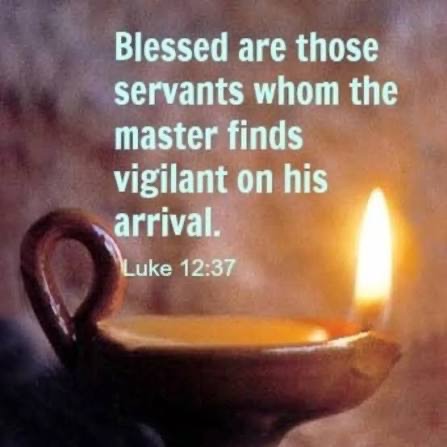
To be vigilant isn’t about living in a constant state of anxiety or walking on eggshells. It’s about presence. Life has a way of coaxing us into spiritual slumber. This verse’s promise is profound. It tells us that those who remain watchful—who stay faithful in the quiet, unseen moments—are met not with harsh judgment, but with blessing. When we practice daily vigilance, we don’t just prepare for what comes next—we fully inhabit the blessing of right now.